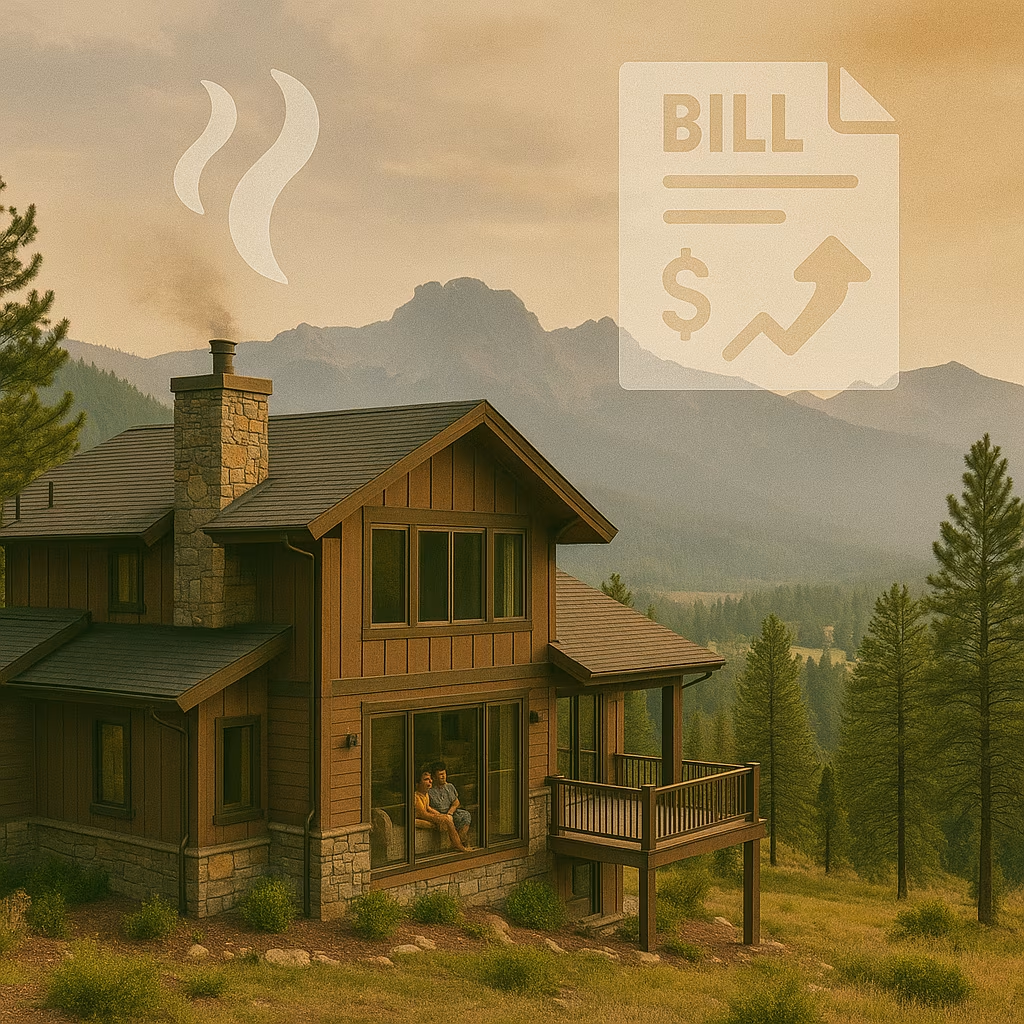
When my family and I bought our dream home in Colorado, we thought we had found the perfect place to settle down. Nestled in the foothills with panoramic views of the Rockies, it felt like everything we’d ever wanted—space, natural beauty, and a sense of peace. We imagined it would be the house our kids grew up in and the home where we’d create lasting memories. But just 18 months later, we found ourselves packing boxes and saying goodbye. The culprit wasn’t our love for the home, but the growing reality of wildfires and the skyrocketing costs of home insurance.
The Dream That Quickly Turned Into a Dilemma
At first, life in our Colorado home was everything we dreamed of. We spent weekends hiking nearby trails, sipping coffee while watching the sunrise over snowcapped peaks, and gathering around the fireplace during cold winter nights. The house itself felt like a retreat from the busy pace of life.
But the dream didn’t last long. Wildfire season arrived with an intensity we hadn’t expected. Smoke-filled skies, evacuation warnings, and the constant worry of losing everything began to overshadow the beauty around us. What was once peaceful quickly became stressful. Each summer, instead of planning vacations, we planned evacuation routes.
The Rising Threat of Wildfires
Colorado has always been known for its natural beauty, but in recent years, wildfires have become more frequent, more destructive, and harder to predict. Living in what’s considered a “wildland-urban interface” meant our home was at higher risk. Even when flames didn’t directly threaten us, the smoke, poor air quality, and constant alerts made daily life feel fragile.
The emotional toll was heavy. We began asking ourselves difficult questions: Was the beauty worth the risk? Were we being fair to our children by keeping them in a place where disaster felt so close?
Insurance Costs Spiral Out of Control
As if the stress of wildfire threats weren’t enough, insurance costs added another layer of burden. When we first bought our home, the insurance premium was high but manageable. Within a year, it doubled. By the time we received our renewal notice 18 months in, the annual premium had tripled.
Some neighbors reported being dropped by their insurers altogether, left scrambling to find coverage from specialized providers at astronomical rates. In many parts of Colorado, traditional insurers have pulled back from covering homes in high-risk zones. Those who remain often demand premiums so steep they become unsustainable for the average homeowner.
For us, it was the breaking point. Between the emotional stress of wildfires and the financial strain of insurance, the dream home was no longer a dream. It was a ticking clock of uncertainty and expense.
Making the Decision to Sell
Selling wasn’t easy. We loved our home and our community. We had invested money, energy, and emotion into making it ours. But the risks kept piling up. Every time the wind picked up in the summer, we held our breath. Every time insurance bills arrived, we felt more defeated.
Eventually, we had to accept that the house no longer offered us security—it was draining it away. We listed the property and found buyers who, like us 18 months earlier, were drawn to the beauty and lifestyle. Handing over the keys was bittersweet.
The Bigger Picture: A Growing Trend
Our story isn’t unique. Across Colorado and other Western states, families are facing the same dilemma. Climate change has amplified wildfire seasons, and insurers are recalibrating their risk models. The result is a housing market where owning property in scenic, high-risk areas is becoming increasingly unaffordable.
Communities that once attracted new families are now seeing an exodus, not because people don’t love the land, but because the risks outweigh the rewards. It’s a trend reshaping not only the housing market but also how people think about “dream homes.”
Lessons We Learned
Looking back, we learned several lessons through this experience:
- Nature is both beautiful and unpredictable. Living close to it means embracing both sides.
- Insurance isn’t optional. It’s the invisible cost of homeownership, and in high-risk areas, it can make or break affordability.
- Dream homes should include peace of mind. If a house doesn’t feel safe, no view or feature can make up for it.
- Adaptability is key. Selling felt like a failure at first, but it became an act of resilience—choosing safety and stability for our family’s future.
Moving Forward
Today, we live in a smaller, less dramatic home outside of a high-risk zone. It doesn’t have the sweeping views or rustic charm of our Colorado retreat, but it has something more important: security and peace of mind. We miss the mountains, but we don’t miss the constant fear.
The experience reshaped how we define “home.” It’s no longer just about beauty or location—it’s about safety, sustainability, and the ability to build a life without constant uncertainty.
Our Colorado dream home was everything we thought we wanted, but wildfires and soaring insurance costs turned it into a short-lived chapter. Selling after just 1.5 years wasn’t the ending we envisioned, but it was the right decision for our family.
As climate risks rise and insurance markets adjust, more homeowners will likely face the same tough choices. The American dream of homeownership is changing—and sometimes, protecting your family means letting go of the dream to build a safer future.