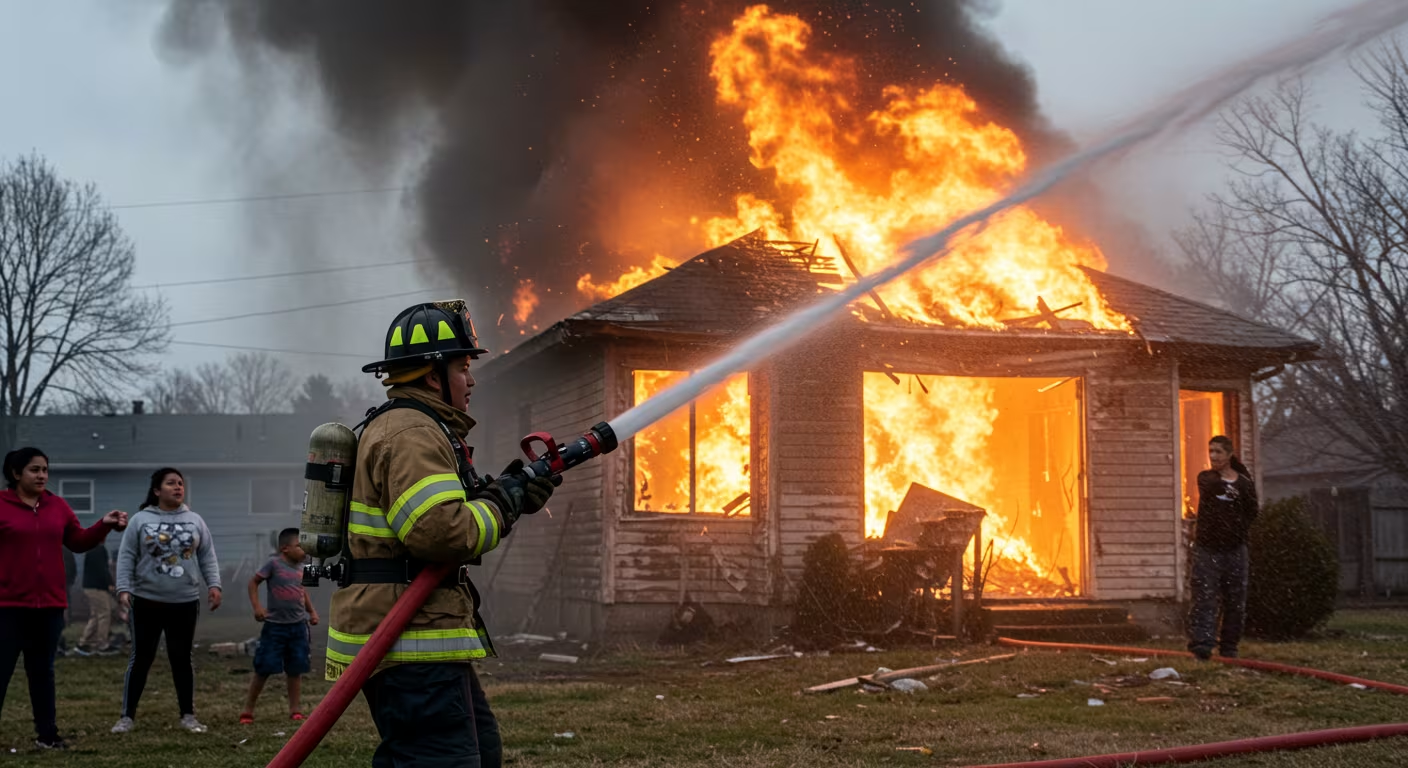
Firefighters are among the most respected and essential public servants in our communities. Known for their courage and fast response during emergencies, firefighters do far more than extinguish flames. They are highly trained professionals who respond to a wide range of emergencies, including car accidents, hazardous material spills, natural disasters, and medical crises.
Modern firefighting combines physical strength, technical expertise, and emotional resilience. While the image of a firefighter running into a burning building is iconic, their real job is often more complex—and more vital—than most people realize. In today’s world of rising urban populations, climate-driven wildfires, and increased emergency calls, firefighters continue to serve as front-line heroes in ways that are constantly evolving.
This article explores what it takes to become a firefighter, the duties they perform, their impact on public safety, and why their role is as crucial as ever.
What Does a Firefighter Do?
Firefighters are trained to respond quickly to emergencies, often putting themselves in life-threatening situations to protect people, animals, and property. Their primary responsibilities include:
- Responding to structure, vehicle, and wildland fires
- Performing rescues in buildings, cars, rivers, and other hazardous environments
- Administering first aid and CPR during medical emergencies
- Managing and containing hazardous materials incidents
- Educating the public on fire safety and emergency preparedness
- Maintaining and inspecting fire equipment and vehicles
- Collaborating with police, paramedics, and disaster response teams
Because fire departments are typically the first to arrive at many emergency scenes, firefighters often serve as de facto emergency medical responders, making medical aid a significant part of their job.
The Firefighter’s Daily Routine
A firefighter’s shift is anything but ordinary. Many departments operate on 24-hour shifts, with firefighters living at the station during that time. A typical day includes:
- Equipment inspections and maintenance
- Physical training and drills
- Fire prevention inspections
- Emergency calls and response
- Meals and downtime (when possible)
- Continued education or community outreach
Because emergencies can happen at any time, firefighters must remain ready and alert throughout their shift. Even while eating or sleeping, they must be prepared to respond within seconds.
The Training and Skills Required
Becoming a firefighter is both physically and mentally demanding. Candidates typically need to complete:
- A high school diploma or equivalent
- A fire academy training program (state-certified)
- Emergency Medical Technician (EMT) certification
- Physical Ability Test (CPAT)
- Written exams and psychological evaluations
- Background checks and drug screenings
In addition to technical skills in fire suppression and rescue, successful firefighters must have:
- Strong communication and teamwork abilities
- Physical stamina and endurance
- Critical thinking under pressure
- Compassion and emotional control
- Knowledge of building construction and fire behavior
Specialized training may also include wildfire management, hazardous material response, confined space rescue, and advanced paramedicine.
Types of Firefighters
Firefighting isn’t a one-size-fits-all profession. There are different roles and types of firefighters, depending on location, environment, and department size:
1. Structural Firefighters
These firefighters respond to fires in homes, buildings, and urban areas. They operate fire engines, use hoses and ladders, and perform interior search-and-rescue operations.
2. Wildland Firefighters
These professionals specialize in controlling forest fires. They use hand tools, aircraft, and controlled burns to contain large-scale fires in rural and wilderness areas.
3. Airport Firefighters
Stationed at airports, these firefighters are trained to handle aviation-related emergencies and jet fuel fires. They must meet strict FAA safety protocols.
4. Industrial Firefighters
These specialists work in factories, oil refineries, and chemical plants. They receive extensive training in hazardous material containment and industrial fire suppression.
5. Volunteer Firefighters
In smaller or rural communities, volunteers often provide fire protection. They receive similar training but typically respond only when needed, balancing duties with another job.
Fire Prevention and Public Education
A large part of modern firefighting is preventative rather than reactive. Firefighters often visit schools, businesses, and community centers to teach about fire safety, smoke alarm maintenance, escape planning, and disaster preparedness.
Departments also conduct routine building inspections to ensure fire codes are met and provide smoke detector installations for at-risk households. These efforts have helped reduce fire-related injuries and deaths over the past several decades.
Risks and Challenges of the Profession
Being a firefighter is inherently dangerous. The most obvious risk is physical injury from burns, falls, or collapsing structures. However, there are many less visible risks as well:
- Exposure to toxic smoke and chemicals
- Risk of cancer from long-term inhalation of carcinogens
- PTSD and mental health strain from traumatic events
- Heart disease due to physical and emotional stress
Many departments now emphasize mental health resources, peer support programs, and early health screenings to support firefighters’ well-being.
The Importance of Community Trust
Firefighters hold a unique place in society. Surveys consistently show that firefighters are among the most trusted professionals in the U.S. Their uniforms symbolize courage, protection, and public service, and their presence often provides comfort during moments of crisis.
This trust is maintained not only through emergency response but also through ongoing community engagement, transparency, and ethical service. In return, communities often show strong support for their local fire departments through volunteerism, donations, and public appreciation events.
How Technology Is Changing Firefighting
Technology is transforming firefighting operations in ways that improve safety and efficiency. Some innovations include:
- Thermal imaging cameras to locate victims and hotspots
- Drones for aerial fire assessment and search-and-rescue missions
- Computer-aided dispatch systems (CAD) for faster response times
- Smart firefighting gear with biometric sensors and GPS tracking
- Fire modeling software to predict spread and intensity
Even with high-tech tools, human judgment, courage, and coordination remain the cornerstone of successful firefighting.
Firefighting Is More Than a Job—It’s a Calling
Being a firefighter means more than fighting fires. It’s about safeguarding lives, educating communities, managing crises, and responding with strength and compassion during people’s worst moments. Firefighters must possess a rare blend of toughness, discipline, and humanity.
As communities face more complex challenges—from climate-fueled wildfires to public health emergencies—the role of the firefighter continues to expand. Yet one thing remains unchanged: their dedication to protecting others at all costs.
Whether you’re considering a career in firefighting or simply want to better understand the people behind the sirens, know this: firefighters are everyday heroes doing extraordinary work—every single day.