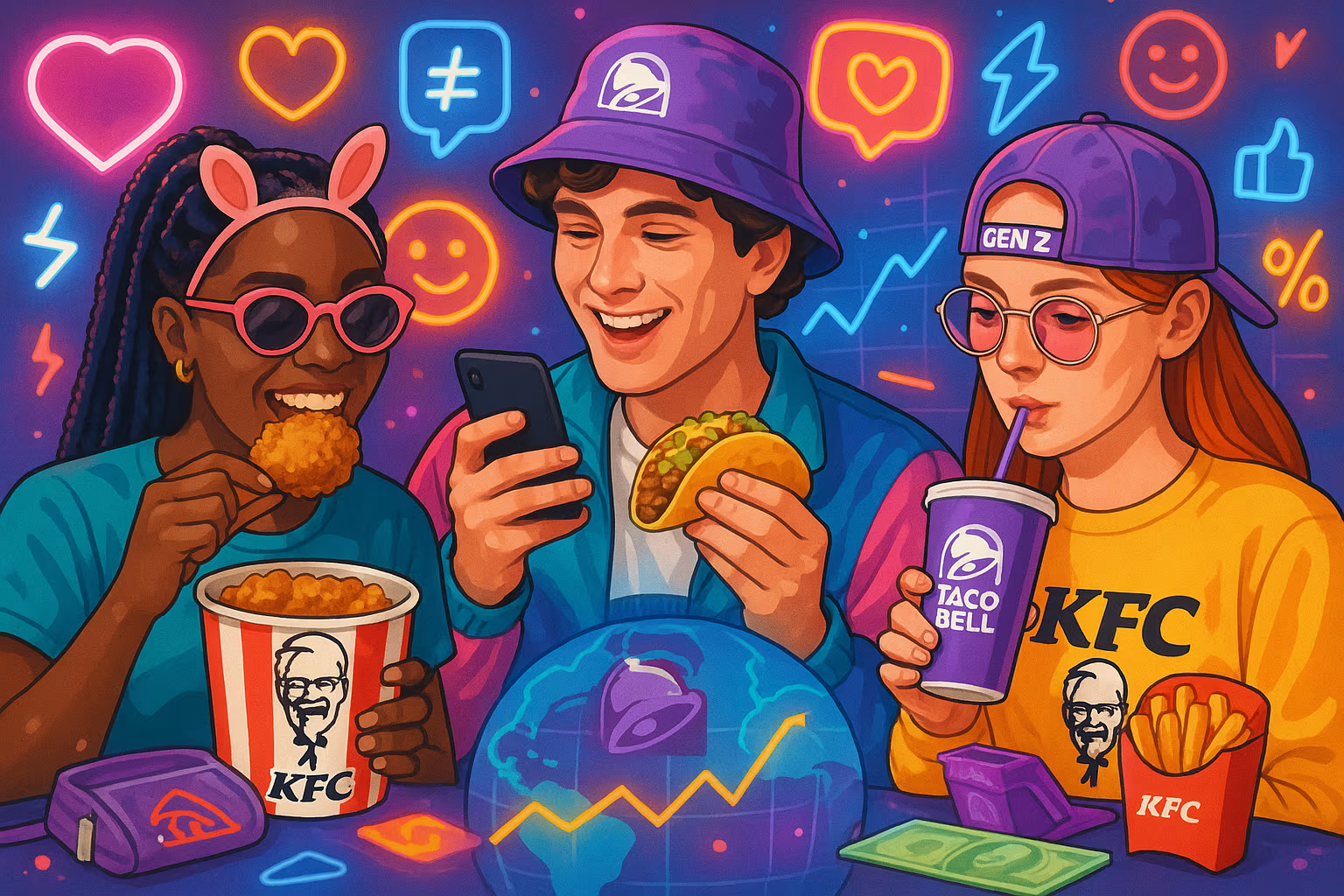
Fast food giants KFC and Taco Bell are shifting gears — and their sights are squarely set on Gen Z, the most digitally native, socially conscious, and trend-sensitive generation yet. As competition heats up in the quick-service restaurant (QSR) space, these two Yum! Brands siblings are doubling down on youth-centric marketing, tech innovation, and menu experimentation to stay relevant in an era where attention spans are short, but brand loyalty is powerful when earned.
With Gen Z projected to become the largest consumer demographic globally by 2030, brands that fail to connect with them today risk being sidelined tomorrow. KFC and Taco Bell are making bold moves to avoid that fate.
Why Gen Z Matters More Than Ever
Born roughly between 1997 and 2012, Gen Z is no longer just “the next big thing.” They are now, commanding over $360 billion in buying power in the U.S. alone — and that number keeps growing. This generation values:
- Authenticity over polish
- Speed and convenience
- Sustainability and ethics
- Memes, nostalgia, and pop culture crossovers
- Digital-first experiences
For fast food chains traditionally rooted in drive-thrus and TV commercials, this poses a challenge — but also an opportunity. KFC and Taco Bell are among the few legacy brands not just reacting but re-engineering their approach to win Gen Z’s fragmented attention.
Taco Bell: Turning Pop Culture Into Profit
Taco Bell has long flirted with youth culture — from ‘Live Más’ to late-night menu items. But now, the chain is going beyond gimmicks and leaning into community-driven experiences and bold digital marketing.
1. Menu Collabs and Limited-Time Hype
Taco Bell’s re-release of its Volcano Menu, and partnerships with pop icons like Doja Cat and Lil Nas X, generated viral buzz across TikTok and Instagram. These limited-time offers aren’t just food launches — they’re content engines tailored for shareability.
2. Taco Bell Metaverse and NFTs
The brand’s foray into the metaverse and NFT collectibles may seem gimmicky to some, but for Gen Z consumers who live online, these digital engagements build loyalty in new dimensions. From virtual taco shops in gaming environments to Taco Bell weddings in the metaverse, the brand is embracing absurdity with sincerity — something Gen Z relates to.
3. Loyalty and Mobile-First Strategy
Taco Bell’s app now plays a critical role in its Gen Z strategy. Personalized offers, early access to new menu items, and gamified experiences have made the app a sticky, digital extension of the brand.
KFC: Reinventing Nostalgia With a Digital Twist
While KFC is often seen as the more traditional of the two, the fried chicken icon has been undergoing a youthful reinvention, blending retro cool with modern tech to reassert its cultural relevance.
1. The Colonel Gets a Makeover
From anime-inspired Colonel Sanders campaigns to celebrity mashups with rappers and influencers, KFC has transformed its mascot from an old-school figure into a meme-worthy icon with cross-generational appeal.
2. Experimental Global Menus
KFC is customizing its menu to appeal to local Gen Z palates. In South Korea and China, for example, the brand has introduced items like cheese lava chicken, boba-topped desserts, and matcha-infused sandwiches. These aren’t just food items — they’re made for the camera, helping KFC trend across Instagram and TikTok.
3. Sustainable Packaging and Ethical Positioning
KFC has committed to fully sustainable packaging by 2025, a move that resonates with Gen Z’s environmental concerns. Initiatives around plant-based offerings and transparency in sourcing are helping the brand shed its old-school image and appeal to a new, socially aware generation.
The Shared Strategy: Build Culture, Not Just Food
What makes the Gen Z push by Taco Bell and KFC truly interesting is that they’re not just modernizing their menus — they’re investing in brand ecosystems. Both chains understand that Gen Z doesn’t just buy products — they buy vibes, values, and community.
1. Brand as Identity
Through fashion collabs, mobile apps, exclusive events, and viral campaigns, both brands are building a lifestyle around fast food, not just selling meals. For Gen Z, eating KFC or Taco Bell can now be an identity marker — like wearing a band tee or posting a meme.
2. Digital Storytelling Over Traditional Ads
Instead of pushing ads during sports games, these brands are crafting narratives through creators, influencers, and user-generated content. They understand that Gen Z consumes content horizontally — scrolling TikTok, watching reels, and engaging with interactive polls and challenges.
3. Nostalgia Remix
Gen Z has a soft spot for the ’90s and early 2000s — a time they barely remember but idealize. Both KFC and Taco Bell are remixing this nostalgia with a modern twist, making their brands feel both retro and relevant.
Risks and Rewards
While these strategies are innovative, they come with risks. Gen Z is highly skeptical and quick to call out inauthenticity. Overuse of slang, forced memes, or exploitative influencer partnerships can backfire quickly. Also, the line between entertainment and brand dilution is thin — focusing too much on marketing gimmicks could distract from food quality and service consistency.
But when done right, the reward is enormous. Brands that earn Gen Z’s loyalty don’t just gain customers — they gain brand ambassadors, organic reach, and cultural cachet that money can’t buy.
KFC and Taco Bell are proving that fast food doesn’t have to be stale or stuck in the past. By embracing digital culture, creative expression, and values that matter to Gen Z, these brands are reinventing themselves for a generation that demands more than just food — they want meaning, fun, and a reason to engage.
Whether through viral TikToks, anime Colonels, or customizable tacos in the metaverse, the message is clear: Gen Z is the future, and KFC and Taco Bell intend to feed it — literally and culturally.