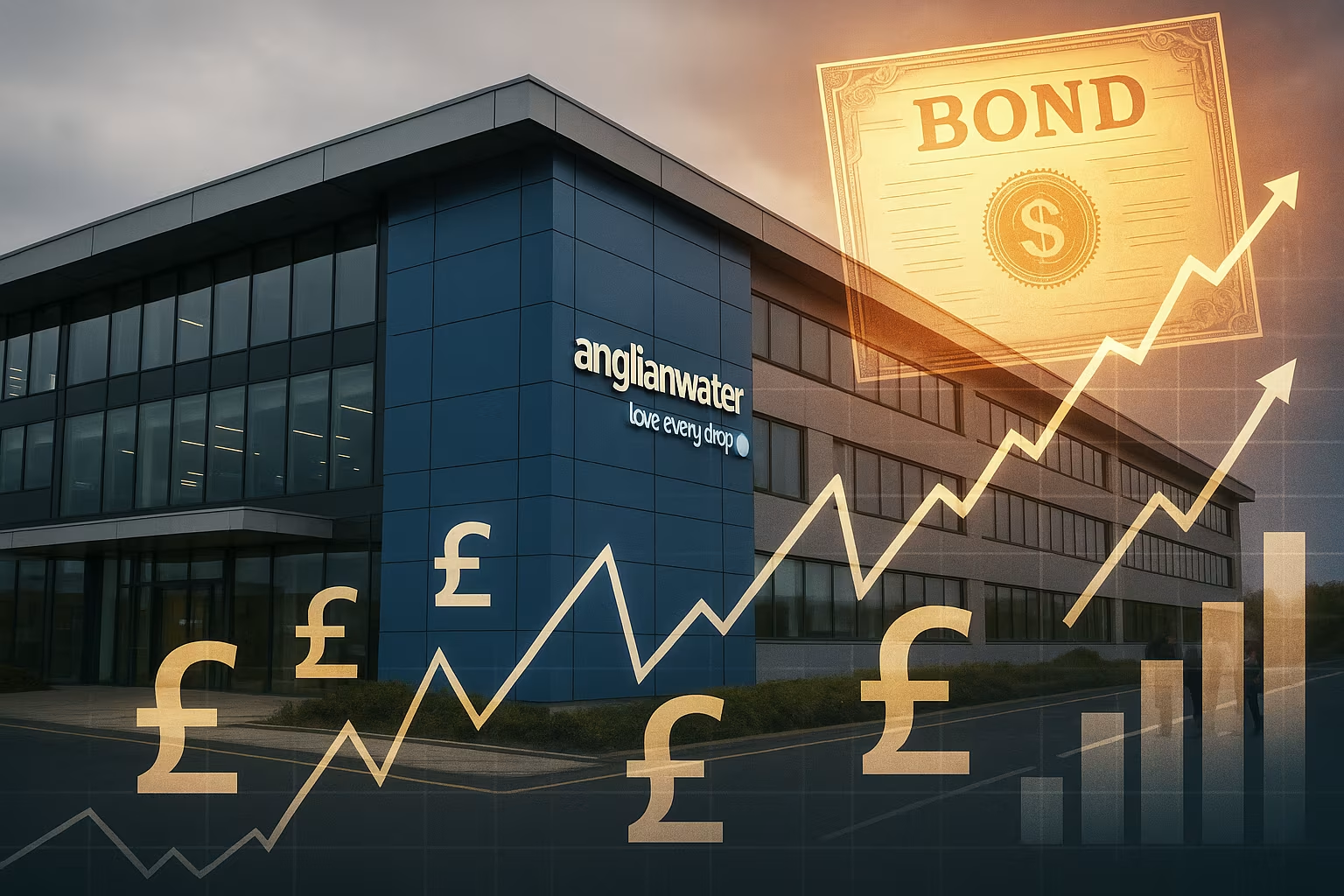
Anglian Water, one of the UK’s largest regional water companies, successfully tapped debt markets this week with a sterling bond issue that drew more than £1 billion in bids. The strong investor demand highlights the continuing appetite for high-grade corporate debt, even amid an environment of elevated interest rates and heightened scrutiny of utility firms’ balance sheets.
A Landmark Bond Sale
The transaction marks an important financing milestone for Anglian Water, which has faced both operational pressures and regulatory challenges in recent years. By issuing sterling-denominated bonds, the utility has secured a fresh stream of long-term capital to support infrastructure upgrades, environmental initiatives, and refinancing of existing obligations.
Investor demand was notably strong, with the order book topping £1 billion—far exceeding the company’s initial target. The oversubscription allowed Anglian Water to tighten pricing on the issuance, reducing borrowing costs compared to early expectations.
Why Investor Appetite Remains Strong
Despite regulatory pressures and ongoing debates around the financial resilience of UK water utilities, Anglian Water’s bond attracted robust interest. Several factors contributed to the strong demand:
- Stable cash flows: Water utilities are seen as relatively defensive investments, benefiting from steady revenue streams tied to essential services.
- Attractive yields: Higher interest rate environments have pushed up yields, making sterling corporate bonds more appealing to institutional investors.
- Diversification benefits: For pension funds and insurers, sterling-denominated bonds provide currency diversification while aligning with domestic liabilities.
- Sustainability appeal: With Anglian Water’s emphasis on environmental and infrastructure upgrades, the issuance also appealed to ESG-conscious investors.
Regulatory and Operational Context
The sale comes at a time when UK water companies are under intense regulatory and public scrutiny. Aging infrastructure, rising environmental compliance costs, and mounting concerns about debt levels have fueled debate over the sector’s financial health.
Anglian Water has been among the utilities pledging to invest significantly in infrastructure to reduce leakages, improve service quality, and meet sustainability goals. However, financing these commitments requires steady access to debt markets. The success of this bond issuance shows that, despite the challenges, investors remain willing to back companies that demonstrate credible long-term plans.
Debt and Balance Sheet Considerations
Like many UK utilities, Anglian Water carries a substantial debt load, a legacy of privatization-era financial engineering. Critics argue that high leverage constrains investment and places long-term strain on customers and taxpayers. Supporters, however, contend that access to capital markets allows utilities to fund necessary improvements without immediate hikes in consumer bills.
The bond sale, therefore, serves a dual purpose: refinancing existing obligations at competitive rates while ensuring liquidity for new projects. By locking in funding now, Anglian Water may also be hedging against future market uncertainty and potential upward shifts in yields.
Broader Market Implications
The success of Anglian Water’s bond issuance sends a positive signal to the broader UK corporate debt market. In recent months, volatility in gilts and uncertainty around Bank of England policy have led to patchy demand for new debt offerings. That investors oversubscribed to a utility bond suggests that confidence in high-quality credits remains intact.
It also reflects the ongoing role of sterling bonds as a preferred instrument for institutional investors seeking stable, long-duration assets. With demand outpacing supply, companies with strong credit stories may continue to enjoy favorable access to funding, even in a challenging macroeconomic backdrop.
Investor Perspectives
For investors, the appeal of Anglian Water’s bonds lies not only in stable yields but also in the security of investing in an essential-service provider. Utilities, by their nature, are less sensitive to cyclical downturns than industrial or consumer-facing sectors. While regulatory risks remain, bondholders tend to view them as manageable, especially if companies continue to engage constructively with regulators and demonstrate capital discipline.
The oversubscription also underscores strong demand from ESG-focused investors. Anglian Water has positioned itself as a leader in sustainable water management, with programs targeting reduced carbon emissions, increased recycling, and improved environmental outcomes. These initiatives enhance its credibility with investors who prioritize responsible lending.
What Comes Next for Anglian Water
With the success of this bond sale, Anglian Water has strengthened its financial position for the medium term. The proceeds are expected to be directed toward a combination of refinancing maturing debt and funding new projects within its regulatory commitments.
Looking ahead, the company must balance the expectations of investors, regulators, and customers. Meeting environmental goals while maintaining financial sustainability will remain a challenge, especially as public debate intensifies over utility debt levels and service performance. However, the bond market’s strong endorsement suggests that investors believe Anglian Water has the capacity and strategy to navigate these complexities.
Conclusion: Confidence Amid Challenges
Anglian Water’s sterling bond sale, oversubscribed at more than £1 billion, underscores investor confidence in the resilience of the UK’s regulated utility sector. While questions remain about debt levels and regulatory scrutiny, the successful issuance highlights the enduring attractiveness of essential-service providers as stable credit investments. For Anglian Water, it provides critical funding flexibility and reinforces its ability to deliver on long-term infrastructure and sustainability commitments.